
Managed DevOps and Developer Infrastructure Services: Monitoring, Logging, Status Pages, and Hosted Tooling
Modern software teams ship faster than ever, but speed without operational maturity can turn into instability, noisy incidents, and burned-out engineers. Managed DevOps and developer infrastructure services reduce that risk by delivering DevOps services as an ongoing capability: uptime monitoring, availability monitoring, logging and observability, incident response, and hosted developer tools that are maintained as a service. Rather than building a self-hosted DevOps stack that constantly needs patching and tuning, teams can rely on a provider like Exana to keep critical platforms secure, reliable, and continuously improved against clear service objectives.
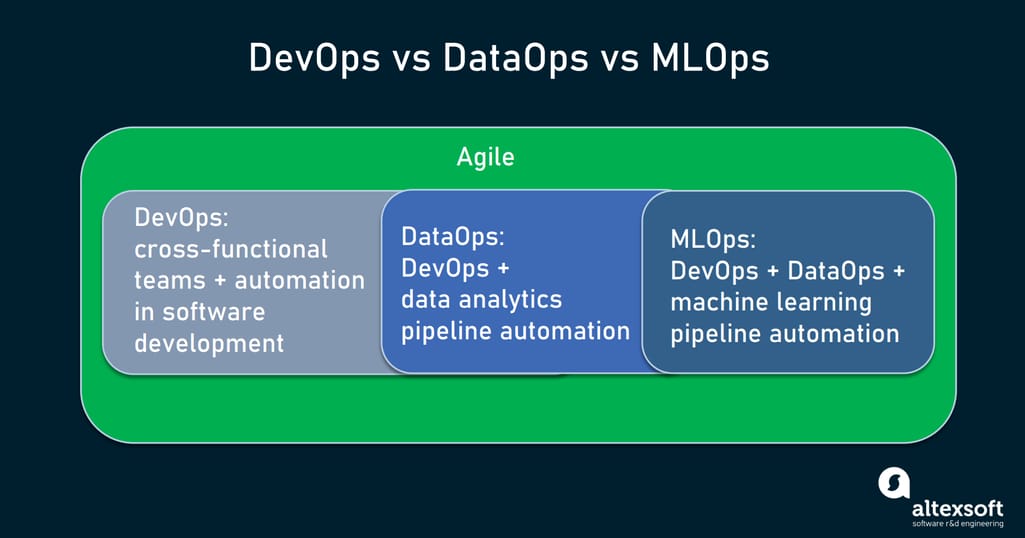
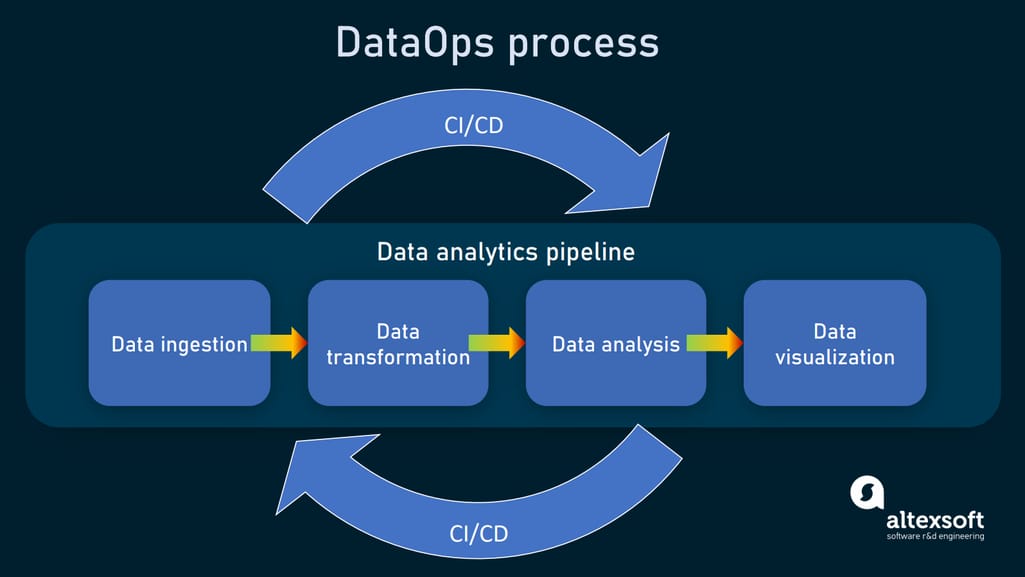
At its core, managed DevOps is not just “someone else runs your servers.” It is a partnership that covers system design, CI/CD automation, continuous integration, continuous deployment, and day-two operations like alerting and notifications, log aggregation, and incident response. The most effective engagements start by aligning on outcomes: uptime targets, recovery time, deployment frequency, and auditability. From there, the provider standardizes environments, enforces least-privilege access, and ensures monitoring and logging are operationalized, not bolted on. The goal is predictable operations that keep developer infrastructure dependable and reduce firefighting.
Monitoring as a Service: From Metrics to Action
Uptime monitoring becomes valuable when it answers questions quickly: Is the system healthy, what changed, and what should we do next? A managed approach to availability monitoring typically combines infrastructure metrics, application performance monitoring, and synthetic checks. But the differentiator is not the dashboard count; it is the alerting and notifications strategy. Strong DevOps services build alerts around user-impacting symptoms, then add targeted alerts for known failure modes. They tune thresholds, implement deduplication, and maintain on-call runbooks so alerts lead to action instead of fatigue.
Teams often discover that their monitoring gaps are less about tooling and more about ownership. With managed DevOps services, responsibilities are explicit: who maintains agents, who updates alert rules when services change, and who reviews alert noise after incidents. Over time, this creates measurable reliability through tracked indicators, regular reviews, and continuous improvement of uptime monitoring coverage.
| Capability | Typical Managed DevOps Deliverable | Operational Benefit |
|---|---|---|
| Metrics collection | Standardized agents, service dashboards, baseline SLI definitions | Faster triage and consistent health visibility |
| Alerting | Noise-reduced alert rules, escalation paths, on-call rotation support | Lower fatigue and quicker response |
| Synthetic monitoring | External checks for critical user journeys and API endpoints | Early detection of customer-impacting issues |
| Capacity and cost signals | Usage trends, anomaly detection, rightsizing recommendations | Reduced spend and fewer scaling surprises |
Status Pages and Incident Communication
When incidents occur, communication is part of the reliability story. Status page hosting provides a public or internal place to publish service health, maintenance windows, and post-incident notes, and hosted status pages can be integrated directly with monitoring alerts and incident response workflows. Managed DevOps providers can automate the path from alerting and notifications to incident creation and status updates, so engineers are not forced to choose between restoring availability and keeping stakeholders informed. The best implementations connect monitoring events to templated updates that stay clear and timely without oversharing sensitive details.
Hosted status pages also create accountability around uptime and incident response. When you publish availability targets and communicate transparently, you naturally invest in better detection and faster mitigation. Over time, the organization moves from reactive messaging to structured incident response, where every event improves monitoring coverage, alert quality, runbooks, and operational documentation.
Logging and Tracing: Making Debugging a First-Class Citizen
Logs are often the first place engineers look during an outage, yet logging pipelines are frequently fragile: agents break, indexes explode, retention is unclear, and access controls are inconsistent. Managed DevOps services for logging and observability standardize log aggregation, parsing, retention policies, and permissions. They also establish conventions for log fields so queries work across services and teams, which is essential when debugging distributed systems where a single request crosses multiple components.
Tracing complements logging and observability by showing request flow and latency across boundaries. A managed provider can instrument key services, propagate correlation IDs, and ensure traces, logs, and metrics link together for faster incident response. That linkage is what turns “we think it’s slow somewhere” into “this endpoint is slow because the database call regressed after the last continuous deployment.” The outcome is faster root cause analysis and fewer repeated incidents.
Security and Compliance Considerations
Operational data is sensitive, especially within logging and observability systems and hosted developer tools. Managed DevOps should include access controls, audit trails, and encryption in transit and at rest across monitoring, log aggregation, and status page hosting. Retention policies must balance compliance needs with cost, and providers typically implement role-based access and environment segregation so production logs and incident artifacts are not casually accessible. For regulated teams, DevOps services may also include evidence collection for audits, change management records for CI/CD automation, and periodic reviews of permissions and secrets.
Hosted Developer Tools: Phabricator and Buildbot CI/CD
Developer infrastructure is more than runtime platforms; it includes the hosted tools that shape daily workflows and the CI/CD automation that ships changes safely. Phabricator hosting for code review and task coordination, and Buildbot hosting for continuous integration and continuous deployment, can be delivered as managed services to reduce maintenance burden. Many teams value these tools for flexibility, but operating them inside a self-hosted DevOps stack adds overhead: upgrades, backups, performance tuning, plugin compatibility, and user management.
With hosted Phabricator, a managed provider typically handles patching, scaling, database maintenance, and disaster recovery, while integrating authentication and protecting repositories and review data. With Buildbot hosting, the provider can design a build farm with isolation between projects, predictable worker provisioning, and artifact and log retention policies, plus pipeline observability for faster troubleshooting. The goal is reliable pipelines where continuous integration stays fast, continuous deployment stays controlled, and developer infrastructure does not become a bottleneck.
| Hosted Tool | What “Managed” Commonly Includes | What Teams Gain |
|---|---|---|
| Phabricator | Upgrades, backups, SSO integration, performance tuning, access reviews | Stable code review workflow and reduced admin time |
| Buildbot CI/CD | Worker orchestration, caching strategy, secrets handling, pipeline observability | Faster builds and fewer failed releases due to infrastructure issues |
| Artifact and log storage | Retention policies, lifecycle management, cost controls, restore testing | Controlled costs with dependable recovery options |
| Access and governance | Role-based permissions, audit logs, periodic reviews | Lower risk of accidental exposure and clearer accountability |
How to Evaluate a Managed DevOps Partner
Choosing managed DevOps services is ultimately about trust, clarity, and operational rigor. Look for a provider that can explain their incident response process, how quickly they acknowledge alerts, and how they reduce repeat incidents through better uptime monitoring and availability monitoring. Ask how they manage changes to alerting and notifications, logging schemas, log aggregation pipelines, and CI/CD configurations as your architecture evolves. A mature partner will propose regular operational reviews, documented runbooks, clear ownership boundaries, and reliable status page hosting for stakeholder communication.
Managed DevOps and developer infrastructure services work best when treated as a product: continuously improved, measured, and aligned with reliability goals. When monitoring, logging and observability, incident response, and hosted tools like Phabricator hosting and Buildbot hosting are run with care, engineering teams regain focus and confidence, and the organization can ship through continuous integration and continuous deployment without sacrificing stability. For more operational notes from the same ecosystem, the Exana community blog collects related guides on logging, CI runners, and status pages. A companion article, Managed DevOps and Developer Infrastructure Services That Reduce Toil, focuses on the day-to-day work these practices remove.