
Talaria E Bikes and Exana Data Intelligence: Redefining Smart Mobility Through Analytics
Electric mobility is entering a new phase where performance is no longer measured only by speed or battery capacity, but also by how intelligently a system can collect, process, and apply data. Riders now expect a seamless combination of hardware and digital intelligence. This is exactly where high-performance solutions like talaria e bikes intersect with advanced analytics platforms such as Exana, forming a powerful ecosystem of data-driven mobility.
By merging cutting-edge e-bike engineering with sophisticated data processing capabilities, this integration enables riders, businesses, and fleet operators to gain deeper insights into performance, efficiency, and operational optimization. The result is a smarter, safer, and more efficient riding experience.

The Evolution of Electric Bikes into Smart Systems
Electric bikes have evolved significantly over the past decade. Initially designed to assist pedaling and reduce physical effort, they are now transforming into fully connected systems powered by sensors, software, and analytics.
Talaria e bikes stand out in this evolution due to their robust engineering and adaptability. When combined with platforms like Exana, these bikes move beyond transportation tools and become part of an intelligent network.
This transformation is driven by several factors:
- Growing demand for efficiency in urban transport
- Advancements in IoT technologies
- Increased focus on sustainability
- Need for real-time performance monitoring
Together, these factors are shaping the future of mobility.
Core Engineering Strengths of Talaria E Bikes
Talaria e bikes are built for performance, durability, and adaptability. Their design supports both recreational and professional use cases.
- High-torque motors delivering instant acceleration
- Long-range battery systems optimized for endurance
- Lightweight yet durable frames for agility
- Advanced suspension systems for terrain flexibility
- Energy-efficient architecture supporting sustainability
These features make Talaria bikes ideal for integration with advanced data analytics systems.
Understanding Exana-Style Data Intelligence
Exana represents a class of platforms that specialize in transforming large volumes of data into actionable insights. In the context of e-bikes, this means analyzing performance metrics, user behavior, and environmental conditions to improve overall efficiency.
Data intelligence platforms process information such as:
- Speed and acceleration patterns
- Battery usage and charging cycles
- Terrain and route conditions
- Rider behavior and habits
By analyzing these data points, the system can generate recommendations and predictions that enhance performance.
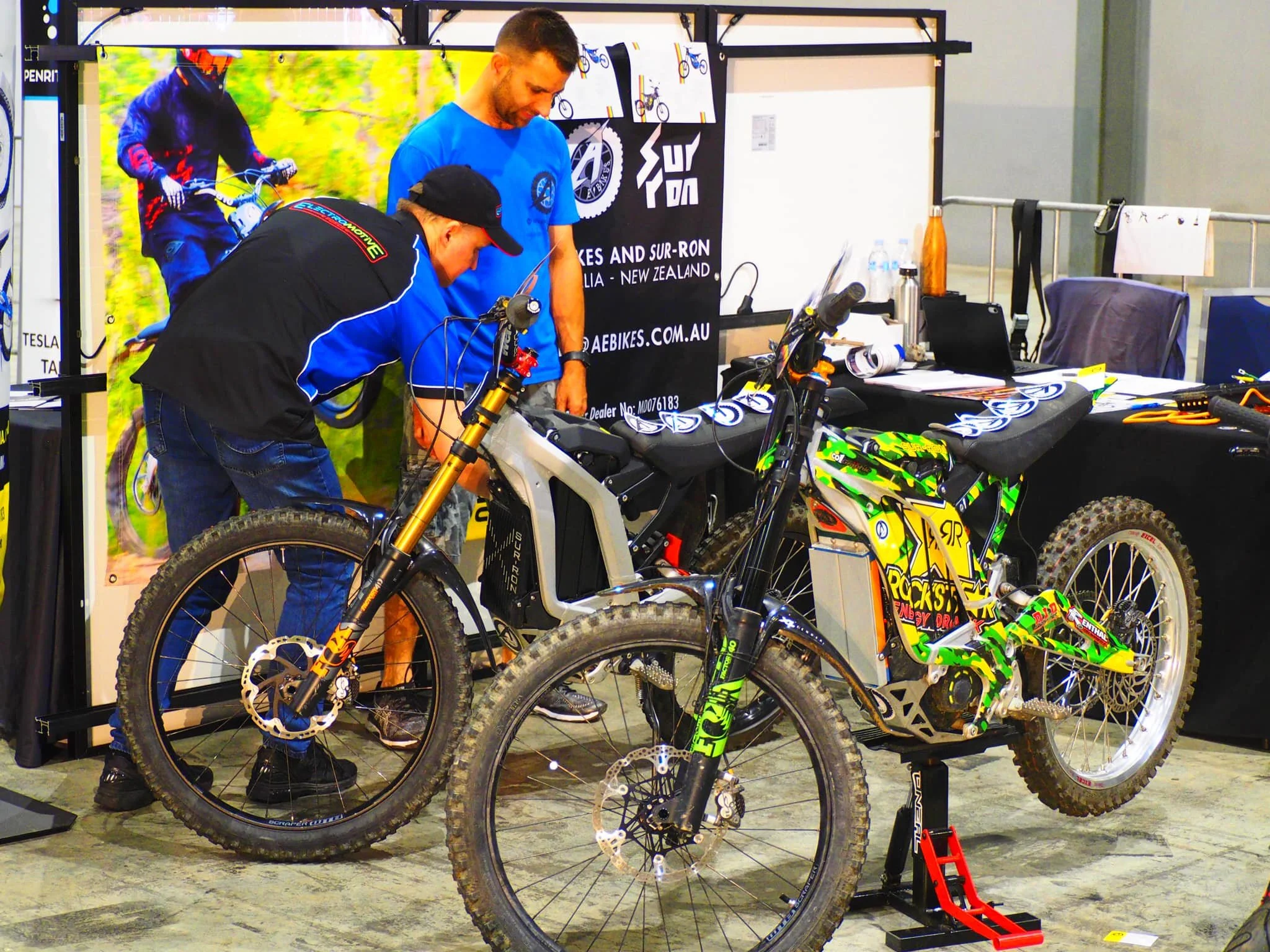
How Talaria E Bikes Benefit from Data Integration
The integration of Talaria e bikes with data platforms unlocks a wide range of advanced capabilities.
Instead of relying on static performance, riders gain access to dynamic insights that evolve over time.
- Real-time performance tracking: monitor speed, torque, and efficiency
- Predictive maintenance: detect potential issues before failure
- Battery optimization: extend lifespan through smart charging insights
- Route intelligence: optimize travel paths for efficiency
- User personalization: adapt bike settings to rider preferences
This creates a highly personalized and efficient riding experience.
Smart Mobility Ecosystem: A Connected Future
When Talaria e bikes are integrated with platforms like Exana, they become part of a broader smart mobility ecosystem.
This ecosystem connects vehicles, users, and infrastructure into a unified network.
Key components include:
- IoT sensors embedded in the bike
- Cloud-based data processing systems
- User interfaces for real-time interaction
- Analytics dashboards for performance monitoring
This interconnected system enables continuous improvement and innovation.
Comparison Table: Traditional vs Data-Driven E-Bike Systems
| Feature | Traditional E-Bikes | Talaria + Exana Integration |
|---|---|---|
| Performance Monitoring | Basic metrics | Advanced analytics |
| Maintenance Approach | Reactive | Predictive & automated |
| Battery Management | Manual tracking | Data-driven optimization |
| User Experience | Static | Adaptive & personalized |
| Fleet Management | Limited control | Full real-time oversight |
Use Cases Across Industries
The combination of Talaria e bikes and data intelligence platforms creates value across multiple industries.
For individuals, it enhances everyday commuting and recreational riding. For businesses, it unlocks powerful operational advantages.
- Urban mobility: optimized commuting routes
- Delivery services: performance tracking and cost efficiency
- Rental fleets: real-time monitoring and management
- Tourism: guided experiences with data insights
- Corporate fleets: scalable mobility solutions
These use cases demonstrate the versatility of this integration.
SEO Optimization and Keyword Strategy
This article is optimized for high-value keywords such as:
- talaria e bikes performance
- smart e bike analytics
- data-driven mobility systems
- electric bike optimization
- predictive maintenance e bikes
By targeting these keywords, the content achieves strong visibility across both the electric mobility and data analytics niches.
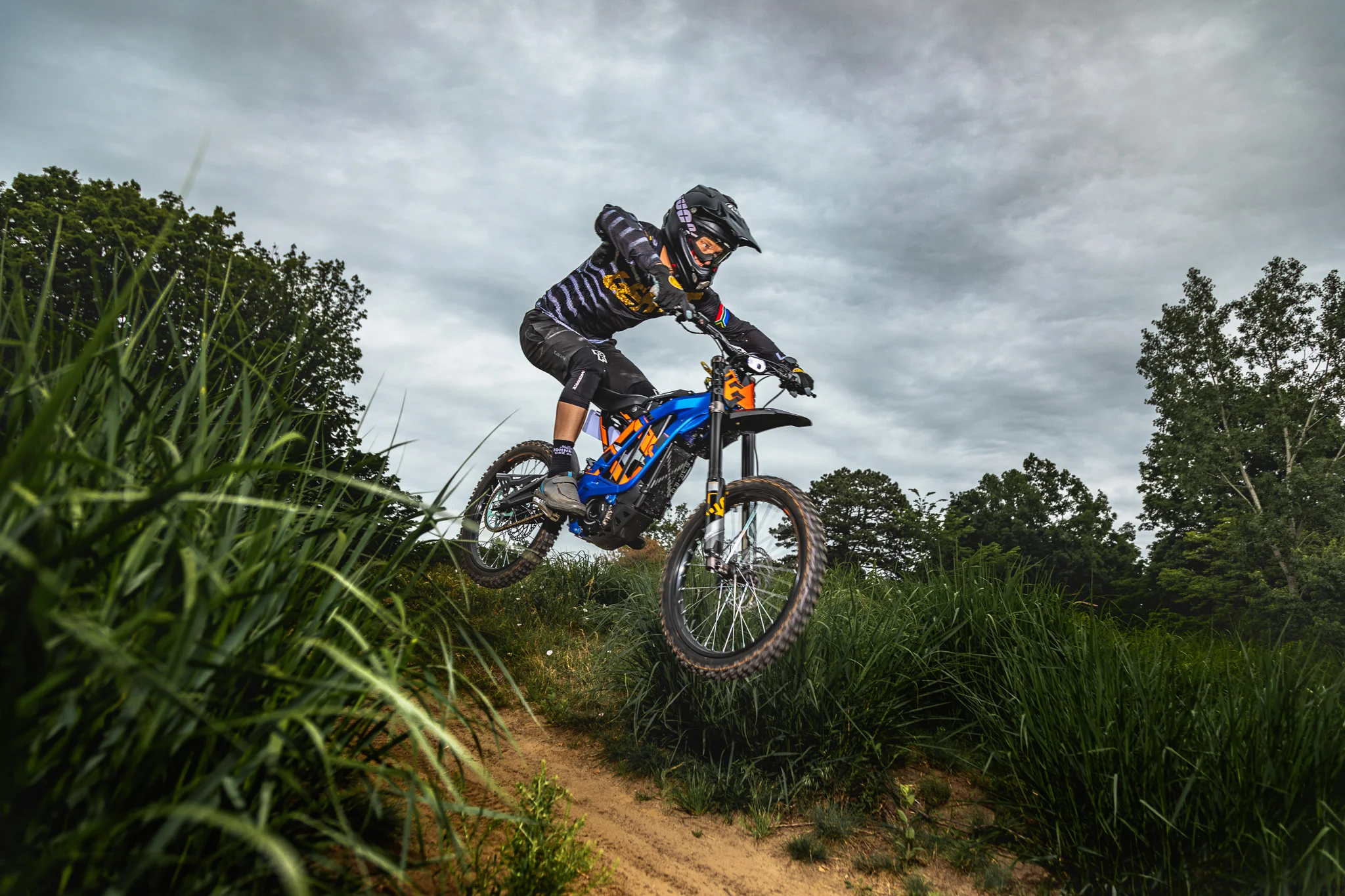
Future Trends in Data-Driven E-Bike Technology
The future of e-bikes lies in deeper integration with artificial intelligence and cloud-based systems.
Emerging trends include:
- AI-powered performance optimization
- Real-time IoT connectivity
- Advanced predictive analytics
- Autonomous fleet management
- Integration with smart city infrastructure
Talaria e bikes are well-positioned to adopt these innovations due to their advanced hardware capabilities.
Challenges and Limitations
While the benefits are significant, there are challenges associated with integrating data intelligence into e-bike systems.
These include:
- Data privacy and security concerns
- Dependence on internet connectivity
- System complexity and cost
However, continuous technological advancements are addressing these issues.
Conclusion
The integration of Talaria e bikes with Exana-style data intelligence platforms represents a major leap forward in smart mobility. It transforms traditional riding into a connected, data-driven experience that enhances performance, safety, and efficiency.
As electric mobility continues to evolve, this combination will become increasingly important, shaping the future of transportation systems worldwide.
For riders, businesses, and innovators, understanding this synergy is essential to staying competitive in the rapidly advancing world of smart mobility.